Westart Sustainable Systems: Pioneering Circular Waste Solutions That Transform Urban Challenges into Sustainable Opportunities


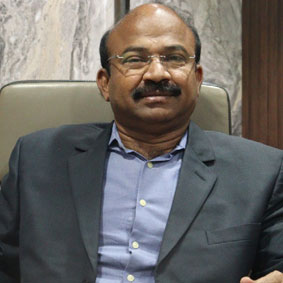
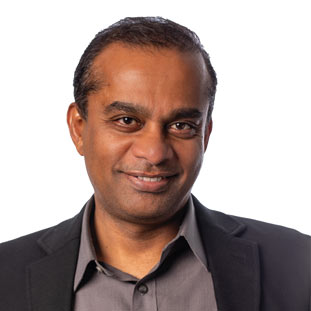
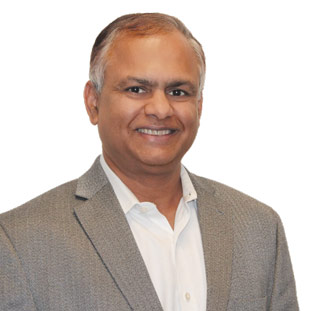
D Srinivasan
Managing Director
At the forefront of India’s waste ecosystem is Westart Sustainable Systems, founded in 2015 to transform waste into valuable resources through circular economy principles. Processing nearly 1,000 tonnes of C&D waste daily, the company converts debris into recycled aggregates and sand, significantly lowering landfill load and conserving natural resources.
A landmark 20- year Public-Private Partnership with the Greater Chennai Corporation enables it to operate large-scale processing facilities, underscoring its long-term commitment to urban resilience, sustainable construction, and collaborative, environmentally responsible waste management. As D Srinivasan, Managing Director, Westart Sustainable Systems notes, “We did not enter the sector to manage waste; we entered it to redefine how cities perceive and utilize waste as a resource”.
Restoring Urban Balance & Collaborative Ecosystem
Westart Sustainable Systems was founded with a vision to restore environmental balance by reducing the pressure on natural resources. As cities expanded, the growing volume of C&D material highlighted the critical need for organized recovery systems ones that protect ecosystems while enabling responsible reuse.
In alignment with this need, IIT Madras, following the signing of a formal MoU, is developing advanced automation systems to separate unusable materials from C&D waste by analyzing and leveraging their physical and material characteristics to reduce impurities. The company’s pivotal collaboration with IIT Madras supports research, product validation, and quality assurance, ensuring that every recycled material meets Indian Standards consistently.
Today, it operates a robust ecosystem powered by waste audits, efficient processing facilities across the city, and strong public sector partnerships. During the COVID-19 pandemic one of the most challenging phases for infrastructure development, the company ensured near-timely completion of civil works and plant installations through disciplined operations and strict safety protocols.
Under the PPP model, Westart Sustainable Systems operates across 15 zones in Chennai with a fleet of over 210 live-tracked vehicles, ensuring optimized collection, transportation, and processing. Its state-of-the-art facilities crush, screen, and wash debris to produce recycled aggregates and sand, which are supplied to contractors, developers, and social sector organizations.
These recycled inputs have supported major projects, including a 5,000 MT washed sand order by L&T and the construction of a community facility for Habitat for Humanity near Chennai. The company is now recognized for its high material recovery rates, maximizing utilization of C&D waste while further reducing the strain on natural resource extraction. Its success is strongly rooted in collaboration.
Regular coordination with GCC, technical support to partners, and on-ground awareness initiatives help improve segregation practices and streamline logistics. These initiatives ensure higher recycling efficiency and strengthen urban circularity.
Collaborative Sustainability & Scalability
Innovation is central to Westart Sustainable Systems’ operational philosophy. It nurtures effective exchanges between builders, researchers, civic authorities, and sustainability advocates through training programs, industry workshops, and conferences involving multiple stakeholders. These forums have become key platforms for promoting the adoption of circular economy practices and encouraging the use of recycled materials. As Srinivasan explains, “Collaboration is our strongest catalyst true change happens only when every stakeholder sees themselves as part of the solution”. Financial and environmental sustainability remains strongly interlinked in the growth model of Westart.
Financial and environmental sustainability are deeply interlinked in its growth model. The modular architecture of its plants enables capacity expansion based on evolving urban demands, while diversified revenue streams from recycled product sales to processing services enhance operational resilience. Continuous process optimization, digital monitoring, and automation help reduce costs and lower carbon emissions. Combined with rigorous adherence to IS standards, these strengths position it as one of India’s most credible, future-ready recycling enterprises.
Future Vision
Westart Sustainable Systems aims to expand across Tamil Nadu and into other states, deploy mobile processing units for smaller regions, and accelerate the adoption of advanced automation systems for cleaner outputs. The roadmap includes deeper integration of design thinking, stronger civic engagement, and large-scale community centric programs. These efforts will be significantly amplified to foster long-term behavioural change and cultivate a shared ethic of responsible waste management across society. In the long term, the company envisions enabling a zero-waste ecosystem where discarded materials are continuously reintegrated as resources, contributing to a resilient, low-impact circular economy.
Under the PPP model, Westart Sustainable Systems operates across 15 zones in Chennai with a fleet of over 210 live-tracked vehicles, ensuring optimized collection, transportation, and processing. Its state-of-the-art facilities crush, screen, and wash debris to produce recycled aggregates and sand, which are supplied to contractors, developers, and social sector organizations.
These recycled inputs have supported major projects, including a 5,000 MT washed sand order by L&T and the construction of a community facility for Habitat for Humanity near Chennai. The company is now recognized for its high material recovery rates, maximizing utilization of C&D waste while further reducing the strain on natural resource extraction. Its success is strongly rooted in collaboration.
Westart Sustainable Systems believes that every city has the potential to transform its waste into opportunity, and remains committed to leading India toward a future where sustainability is not an option, but a way of life
Regular coordination with GCC, technical support to partners, and on-ground awareness initiatives help improve segregation practices and streamline logistics. These initiatives ensure higher recycling efficiency and strengthen urban circularity.
Collaborative Sustainability & Scalability
Innovation is central to Westart Sustainable Systems’ operational philosophy. It nurtures effective exchanges between builders, researchers, civic authorities, and sustainability advocates through training programs, industry workshops, and conferences involving multiple stakeholders. These forums have become key platforms for promoting the adoption of circular economy practices and encouraging the use of recycled materials. As Srinivasan explains, “Collaboration is our strongest catalyst true change happens only when every stakeholder sees themselves as part of the solution”. Financial and environmental sustainability remains strongly interlinked in the growth model of Westart.
Financial and environmental sustainability are deeply interlinked in its growth model. The modular architecture of its plants enables capacity expansion based on evolving urban demands, while diversified revenue streams from recycled product sales to processing services enhance operational resilience. Continuous process optimization, digital monitoring, and automation help reduce costs and lower carbon emissions. Combined with rigorous adherence to IS standards, these strengths position it as one of India’s most credible, future-ready recycling enterprises.
Future Vision
Westart Sustainable Systems aims to expand across Tamil Nadu and into other states, deploy mobile processing units for smaller regions, and accelerate the adoption of advanced automation systems for cleaner outputs. The roadmap includes deeper integration of design thinking, stronger civic engagement, and large-scale community centric programs. These efforts will be significantly amplified to foster long-term behavioural change and cultivate a shared ethic of responsible waste management across society. In the long term, the company envisions enabling a zero-waste ecosystem where discarded materials are continuously reintegrated as resources, contributing to a resilient, low-impact circular economy.